
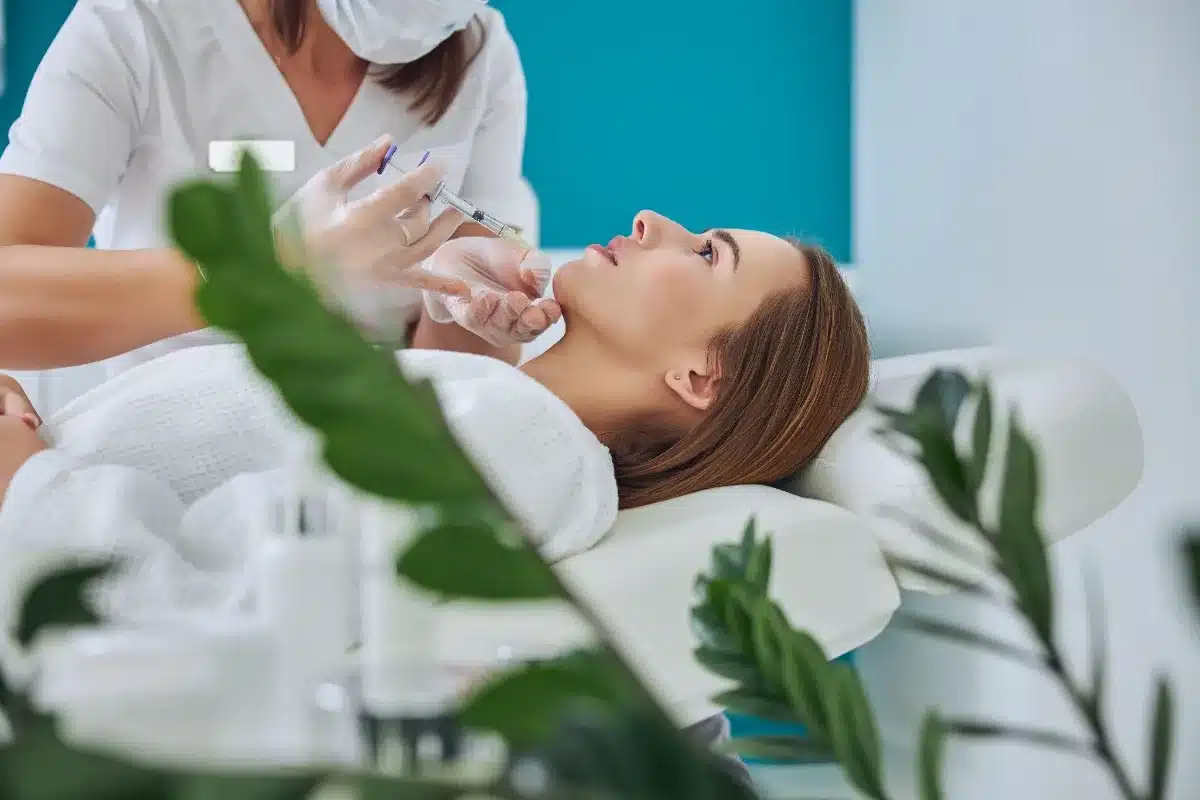
In New York, a non-physician cannot own the medical side of a med spa. The legal way in is a two-entity structure, and getting one detail wrong can look like an illegal arrangement to regulators. Here is how the model actually works.
If you want to open a med spa in New York and you are not a physician, the first thing to understand has nothing to do with lasers or lease terms. It is who is legally allowed to own the part of the business that delivers medical treatments. In New York, the answer is narrow, and it shapes your entire structure.
New York is one of the strictest states in the country on this, and the services a med spa sells, from Botox to fillers to IV therapy, count as the practice of medicine. That triggers a rule that forces a specific two-entity setup. Getting med spa formation in New York right means building that structure correctly from day one, because regulators look at how it actually operates, not just how it reads on paper. Here is how it works.
The Two-Entity Model At A Glance
Before the details, here is the structure nearly every compliant New York med spa uses when a non-physician is involved:
- A physician-owned professional entity (the PC) holds the medical side: it employs the clinical staff, owns patient care, and delivers all treatments.
- A management company (the MSO) handles the business side: real estate, equipment, billing, marketing, HR, and IT, and can be owned by non-physicians.
- A written management agreement connects the two, with the MSO paid a fixed, fair-market fee for its services.
This is often called the “friendly PC plus MSO” model, and it is the legal path for non-physician investors to participate in a med spa. Everything below explains why it is required and where it goes wrong.
How Should A Med Spa Be Legally Structured In New York?

A New York med spa that performs medical procedures should be structured as two separate entities: a physician-owned professional corporation that provides the medical services, and a management services organization that runs the business operations. The physician entity owns everything clinical, and the management company owns everything administrative.
The reason for the split is a legal rule, covered next, that bars non-physicians from owning a medical practice. The two-entity model is how a non-physician entrepreneur or investor legally takes part: they own and run the management company, not the medical entity. This structure has to be built carefully and documented properly, and ourmed spa formation in New York page walks through what that involves. Done right, it lets the business and the medicine work together while staying on the correct side of the law.
What Is The Corporate Practice Of Medicine Rule And How Does It Affect Med Spas In New York?
The corporate practice of medicine doctrine, often shortened to CPOM, is a rule that says non-physicians and regular businesses cannot own or control a medical practice. Its purpose is to keep medical decisions in the hands of licensed physicians rather than investors focused on profit. New York enforces it strictly.
For a med spa, this is the rule that changes everything. Because the treatments a med spa offers are considered medical procedures, the entity that provides and bills for them must be owned by a licensed physician. A standard LLC or corporation owned by a non-physician cannot legally employ physicians to practice medicine or control clinical decisions. That single restriction is why the two-entity model exists: it is the workaround the law permits.
New York’s enforcement has grown more aggressive, and regulators now treat essentially anything that breaks the skin as the practice of medicine, so the rule reaches most of what a med spa does.
Do I Need A Physician-Owned PC To Open A Med Spa In New York?

Yes. If your med spa provides medical treatments, the clinical entity must be owned by a New York-licensed physician, formed as a professional corporation or professional LLC and authorized by the New York State Education Department. There is no way around physician ownership of the medical side.
A point that trips up many would-be owners: nurse practitioners and physician assistants, despite their clinical training, cannot own a medical PC in New York, and neither can out-of-state physicians. Only a NY-licensed physician qualifies to own the clinical entity. This is also why the structure is sometimes called a “friendly PC,” because the physician owner works in close, contractual alignment with the management company while retaining true ownership and control of the medical practice.
Getting this entity formed and NYSED-authorized correctly is the foundation everything else sits on, and it connects to the broader steps of launching any practice, which our guide on how tostart a private practice in New York covers.
What Is A Management Services Organization And Does A Med Spa Need One In New York?
A management services organization, or MSO, is a business company that provides a medical practice with all the non-clinical support it needs, from office space and equipment to billing, marketing, staffing, and IT. Unlike the medical PC, an MSO can be owned by non-physicians, which is exactly what makes it the vehicle for outside investors and entrepreneurs.
If a non-physician wants to participate in a New York med spa, an MSO is effectively required, because it is the only compliant way for them to be involved in the business. But the arrangement has firm limits that regulators watch closely. The MSO is paid a fixed, fair-market-value management fee, never a percentage of the med spa’s revenue, because New York prohibits fee-splitting between a medical practice and a non-physician.
The MSO also cannot control patient care decisions, clinical hiring, treatment protocols, or the medical practice’s bank accounts. Cross those lines and the structure can look like disguised lay ownership, which is the exact violation regulators hunt for. This is where careful agreements matter, and our page onservice agreements for med spas and IV therapy speaks to that directly.
What Licenses And Legal Agreements Does A Med Spa Need In New York?

Beyond the two entities, a compliant New York med spa needs several pieces in place. On the licensing side, the physician owner holds an active New York medical license, the PC must be authorized by NYSED, and the practice has to meet operational rules like proper protocols and good faith patient exams before treatment. A med spa also needs an actively engaged medical director who sets clinical protocols and supervises care.
On the agreements side, the core documents include the management agreement between the PC and the MSO, a medical director agreement setting out the physician’s clinical oversight role, and the patient-facing and vendor contracts any healthcare business needs. Because a med spa handles protected health information, it also needs HIPAA agreements with its vendors, which ourHIPAA business associate agreements page explains.
Each of these has to be drafted to fit together, since a gap in one can undermine the compliance of the whole structure. For the government’s own overview of the professional entities involved, theNew York State Education Department’s Office of the Professions is the authoritative source.
Why Substance Matters More Than Paperwork
Here is the theme that runs under everything above, and the single most important thing to internalize. New York regulators judge a med spa structure by how it actually functions, not by how cleanly it reads on paper. You can have a physician-owned PC and a separate MSO and still be in violation if, in practice, the non-physician is really running the medicine or taking a cut of clinical revenue.
That means the structure is not a one-time filing you set and forget. The physician owner has to stay genuinely engaged in the medical practice, the MSO has to stay in its non-clinical lane, and the money has to flow in the fixed, fair-market way the law requires. Treat the model as a living arrangement you operate correctly every day, not a document you sign once, and it holds up. Treat it as a formality, and it can unravel under scrutiny.
Frequently Asked Questions
Can a non-physician investor own part of a med spa in New York?
Not the professional corporation that delivers medical services. A non-physician can own the management services organization, which handles business operations under a fair-market-value agreement, as long as the physician keeps real control over clinical decisions.
Can a nurse practitioner own a med spa in New York?
A nurse practitioner can own a professional entity for services within the NP’s own scope of practice. Services outside that scope still need physician ownership and oversight, so the right structure depends on the treatments you plan to offer. Get the setup reviewed before you sign a lease.
Can an esthetician give Botox at a med spa in New York?
No. Injectables are medical procedures in New York and must be performed by appropriately licensed professionals, such as physicians, physician assistants, nurse practitioners, or registered nurses acting under proper orders. Estheticians can provide services within their own license.
Does a med spa in New York need HIPAA agreements with its vendors?
If your med spa bills insurance electronically, it is a HIPAA covered entity and needs business associate agreements with vendors that handle patient data. Read our HIPAA business associate agreement guide and contractor vs employee guide for staffing.
Does opening a med spa in Westchester change the legal steps?
The core structure is the same statewide, but the publication requirement and local permits follow your office location. See our checklist for starting a healthcare business in Westchester County.
The Bottom Line
Legally structuring a med spa in New York means building two entities: a physician-owned PC that holds everything clinical, and an MSO that a non-physician can own to run the business side, connected by a written management agreement with a fixed, fair-market fee.
New York’s corporate practice of medicine rule is why this model exists, and its strict enforcement is why the details, from who owns the PC to how the MSO is paid, have to be exactly right. Add the required licenses, medical director oversight, and contracts, and operate the structure honestly day to day. Build it that way from the start, and your med spa stands on solid legal ground.
Planning To Open Or Restructure A Med Spa?
J. Cameron Law, PLLC helps med spa owners, physicians, and investors in New York build compliant PC and MSO structures, with the management agreements, medical director agreements, and contracts that hold up to scrutiny.
Whether you are launching a new med spa, bringing in a non-physician investor, or fixing a structure you are not sure is compliant, the right guidance keeps you on the correct side of New York’s strict rules from day one.
Primary Keyword:
med spa formation New York
Secondary Keywords:
med spa business structure new york attorney
corporate practice of medicine NY med spa
med spa PC management company structure
medical director agreement new york med spa
med spa PLLC compliance new york